
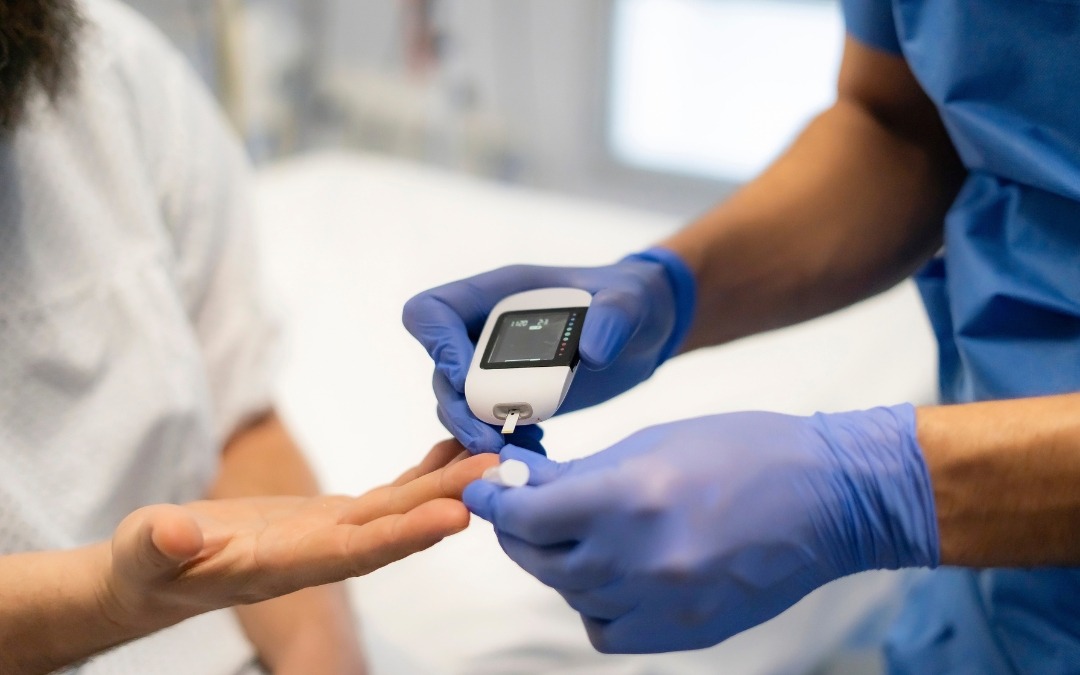
Diabetes is one of the most common health conditions in South Africa. Estimates by the International Diabetes Federation predict about 7.2% of adults in SA and around the world have diabetes. Many people live with this condition for years without realising it, because it often develops gradually and may not cause obvious symptoms in the early stages. It is a growing concern worldwide and in South Africa, with the predicted number of patients increasing each year.
When diabetes is not diagnosed or managed properly, it can increase the risk of serious health problems such as heart attacks, strokes, kidney disease, vision loss, and nerve damage. The good news is that with early diagnosis and proper treatment, most people with diabetes can live long and healthy lives.
This article explains what diabetes is, why it matters, and how it can be managed effectively.
What is Diabetes?
Diabetes is a condition where the body has difficulty controlling the level of sugar (glucose) in the blood.
Glucose is an important source of energy for the body. After we eat, our body breaks down carbohydrates into glucose, which enters the bloodstream. A hormone called insulin, produced by the pancreas, helps move glucose from the blood into the body’s cells where it can be used for energy.
In diabetes, this system does not work properly.
There are two main problems that can occur:
-
- The body does not produce enough insulin
- The body becomes resistant to insulin and cannot use it effectively
As a result, glucose builds up in the bloodstream instead of being used by the body.
Types of Diabetes
Type 1 Diabetes
Type 1 diabetes occurs when the body stops producing insulin completely. It usually develops in childhood or young adulthood and requires lifelong insulin treatment.
Type 2 Diabetes
Type 2 diabetes is the most common form of diabetes and accounts for the majority of cases. It occurs when the body becomes resistant to insulin and gradually cannot maintain normal blood sugar levels.
Type 2 diabetes is strongly associated with several risk factors, including:
-
- Excess body weight
- Physical inactivity
- Family history of diabetes
- Increasing age
- High blood pressure or abnormal cholesterol levels
Other types of diabetes include gestational diabetes and type 5 diabetes (Malnutrition related.
Why is Diabetes Important?
Diabetes is not only about high blood sugar. It is also a major risk factor for heart and blood vessel disease.
People living with diabetes have a much higher risk of developing:
-
- Heart attacks
- Stroke
- Heart failure
- Kidney disease
- Nerve damage
- Vision problems
Modern diabetes care therefore focuses not only on controlling blood sugar, but also on protecting the heart, kidneys, and blood vessels.
Symptoms of Diabetes
Many people have no symptoms in the early stages. When symptoms do occur, they may include:
-
- Increased thirst
- Frequent urination
- Unexplained weight loss
- Fatigue
- Blurred vision
- Slow healing of wounds
- Recurrent infections
Because symptoms may be mild or absent, regular screening is important, particularly for people with risk factors.
Who Should Be Tested?
Testing for diabetes is recommended for people who:
-
- Are overweight or obese
- Have high blood pressure
- Have a family history of diabetes
- Have high cholesterol
- Are over the age of 40
- Have previously had gestational diabetes
Diagnosis is usually made with a blood test measuring glucose levels or HbA1c, which reflects average blood sugar levels over the previous three months. Occasionally, when results are indeterminate, we may do a oral glucose tolerance test to measure your bodies response to glucose.
How is Diabetes Treated?
Treatment depends on the individual, but most management plans include several key components.
Lifestyle Changes
Healthy lifestyle habits are the foundation of diabetes care:
-
- Maintaining a healthy weight
- Eating a balanced diet
- Regular physical activity
- Avoiding smoking
- Limiting excess sugar and refined carbohydrates
Even modest weight loss can significantly improve blood sugar control.
Medication
Many people with type 2 diabetes require medication to help control blood sugar. These may include tablets or injectable medications.
Some newer medications have been shown not only to improve blood sugar control but also to protect the heart and kidneys, which has become an important focus of modern diabetes treatment.
Managing Other Risk Factors
Because diabetes increases cardiovascular risk, treatment often also includes:
-
- Blood pressure control
- Cholesterol-lowering medication
- Regular screening for complications
Managing these factors significantly reduces the risk of long-term complications.
Monitoring and Follow-Up
People living with diabetes usually require regular medical follow-up to monitor their health.
This may include:
-
- Blood sugar or HbA1c testing
- Cholesterol levels
- Kidney function tests
- Eye examinations
- Foot checks
These checks help detect complications early, when they are most treatable.
The Role of a Diabetes Counsellor and Dietitian
Managing diabetes is about much more than taking medication. A diabetes counsellor and dietitian can play an important role in helping patients understand their condition and develop practical strategies for long-term success.
A diabetes counsellor provides education about blood sugar monitoring, medications, lifestyle changes, and preventing complications. They can also help patients overcome common challenges such as adjusting to a new diagnosis, managing stress, and building confidence in self-care.
A dietitian helps patients develop an individualised eating plan that fits their lifestyle, cultural preferences, budget, and health goals. Rather than focusing on restrictive diets, a dietitian can provide practical guidance on portion sizes, meal planning, carbohydrate choices, and weight management. For many patients, dietary changes are one of the most effective ways to improve blood sugar control and reduce the risk of future complications.
Early Warning Signs of Prediabetes
Before someone develops type 2 diabetes, blood sugar levels often become slightly elevated. This stage is known as prediabetes.
Prediabetes usually causes no symptoms, but it is an important warning sign that the body is beginning to struggle with glucose control.
Common risk factors include:
-
- Being overweight
- Lack of physical activity
- Family history of diabetes
- High blood pressure
- High cholesterol
The encouraging news is that prediabetes can often be reversed. Lifestyle changes such as weight loss, improved diet, and increased physical activity can significantly reduce the risk of developing diabetes. Early testing allows these changes to be made before complications develop.
Frequently Asked Questions
What is HbA1c and why do we measure it?
HbA1c (also called glycated haemoglobin) is a blood test that reflects the average blood sugar level over the previous two to three months.
When glucose circulates in the blood, some of it attaches to haemoglobin inside red blood cells. The HbA1c test measures how much glucose has attached to these cells.
This makes HbA1c a very useful test because it provides a long-term picture of blood sugar control rather than a single reading at one moment in time.
Doctors use HbA1c to:
-
- Diagnose diabetes
- Monitor how well treatment is working
- Guide adjustments to medication if needed
For many people with diabetes, the target HbA1c is below 7%, although this can vary depending on the individual.
Can diabetes be cured?
Type 1 diabetes currently has no cure and requires lifelong insulin treatment.
Type 2 diabetes can sometimes go into remission, particularly with significant weight loss and lifestyle changes, but it still requires ongoing monitoring.
Is diabetes caused by eating too much sugar?
Sugar alone does not cause diabetes. However, diets high in calories, processed foods, and sugary drinks can contribute to weight gain and increase the risk of developing type 2 diabetes.
Can diabetes be prevented?
In many cases, type 2 diabetes can be prevented or delayed. Maintaining a healthy weight, exercising regularly, and following a balanced diet can significantly reduce the risk.
Do people with diabetes have to avoid all carbohydrates?
No. Carbohydrates are an important source of energy. The key is choosing healthier carbohydrates, such as whole grains, vegetables, and legumes, while limiting refined sugars and highly processed foods.
If I start medication, will I need it forever?
Not always. Some people can reduce or stop certain medications if they achieve significant improvements in weight, diet, and physical activity. However, many people require long-term treatment to keep their blood sugar under control.
How often should someone with diabetes see their doctor?
Most patients benefit from a review every three to six months, depending on their blood sugar control and treatment plan. Regular follow-up helps ensure that treatment remains effective and that complications are detected early.
How much does this all cost?
In South Africa, diabetes is a prescribed minimum benefit (PMB) condition which means that medical aid schemes are required by law to pay for your appointments, tests and medications. This includes hospital plans. The exact benefits will differ depending on which medical aid/hospital plan option you have. Please note that some medical aid options require you to go to a state clinic for your treatment if that is in your contract. You can check with your broker/scheme to get more information.
The Good News
Although diabetes is a serious condition, it is also very manageable. With the right combination of healthy lifestyle choices, appropriate medication, and regular medical care, most people with diabetes can lead full and active lives.
Early detection and consistent treatment are the key to preventing complications and protecting long-term health.
If you are concerned about your risk of diabetes or would like to discuss screening, speak with your doctor at HMCD.
References
- ESC Guidelines on Cardiovascular Disease in Patients with Diabetes. European Society of Cardiology.
- World Health Organization. Diabetes Fact Sheets and Global Health Estimates.
- International Diabetes Federation. IDF Diabetes Atlas.